
Thin Flexible Solar Panels: Innovative Lightweight Solar Technology
By:Admin
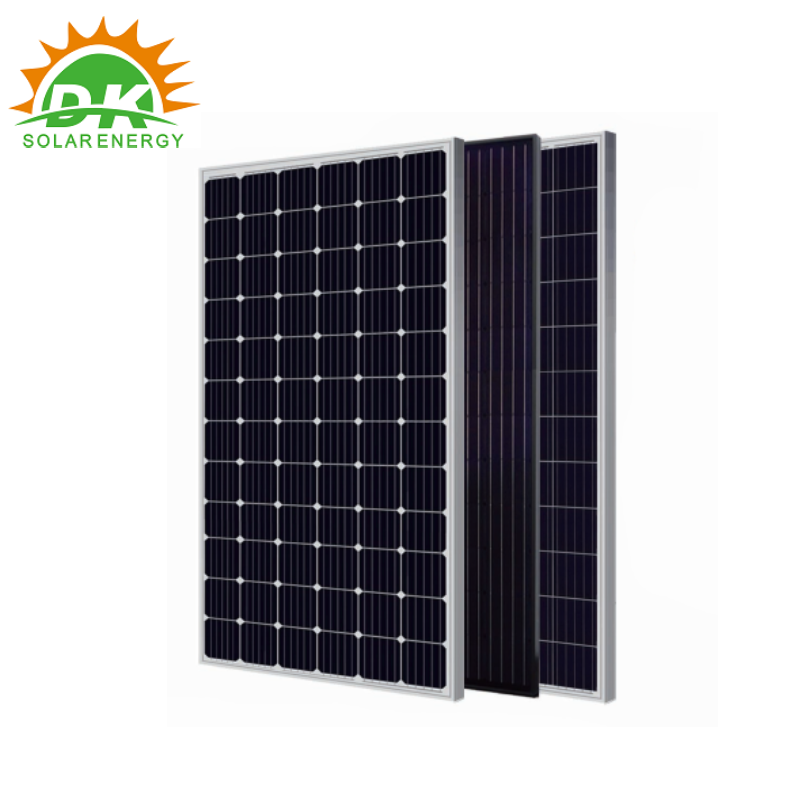
In the ever-evolving landscape of renewable energy, innovation continues to pave the way toward more efficient, adaptable, and user-friendly solar power solutions. Recently, the introduction of thin flexible solar panels marks a significant milestone in solar technology, promising to transform how we harness the power of the sun across various applications.
### A Breakthrough in Solar Technology
Traditional solar panels, typically composed of rigid silicon cells encased in glass, have been instrumental in driving the adoption of solar energy worldwide. However, their bulkiness and fragility often limit their installation to sturdy, flat surfaces such as rooftops or solar farms. Addressing these limitations, the new generation of thin flexible solar panels offers unparalleled versatility without compromising efficiency.
These panels employ advanced photovoltaic materials that are lightweight and bendable, allowing them to conform to irregular surfaces and integrate seamlessly with diverse structures. Their thin profile reduces material use and installation complexity, while their flexibility opens doors to applications previously deemed impractical.
### Key Features and Advantages
1. **Lightweight and Portable:** The reduced weight of thin flexible solar panels makes them ideal for mobile applications, including recreational vehicles, boats, and remote field equipment. This portability supports off-grid power solutions, enhancing energy access in remote or disaster-affected areas.
2. **Versatile Installation:** Unlike traditional solar panels constrained by rigid form factors, flexible panels can be installed on curved or uneven surfaces like vehicle rooftops, building facades, and even wearable devices. This adaptability expands the scope of solar energy utilization to urban infrastructure and personal technology.
3. **Durability and Resilience:** These panels withstand bending and stress without significant performance degradation. Their flexible substrates typically resist damage from physical impact or vibration, rendering them suitable for harsh environmental conditions.
4. **Ease of Integration:** Thin flexible solar panels can be integrated into products during manufacturing, enabling solar-powered gadgets, smart textiles, and innovative building materials. This seamless integration promotes sustainable design practices and reduces dependence on conventional power sources.
5. **Cost-Effectiveness:** Advances in manufacturing processes and materials reduce production costs, making thin flexible solar panels increasingly affordable and accessible to consumers and businesses alike.
### Industry Impact and Applications
The flexibility and lightweight nature of these solar panels herald a new era for the renewable energy sector. The construction industry can now incorporate solar energy directly into building designs through solar windows and curved roofing elements. For transportation, flexible solar panels provide a renewable power source for electric vehicles, drones, and marine vessels, enhancing their range and sustainability.
In the consumer market, the technology enables solar-powered backpacks, chargers, and outdoor equipment, supporting lifestyles that demand energy autonomy. Moreover, humanitarian organizations can deploy portable solar solutions rapidly, improving energy access in underserved regions.
### Company Introduction and Commitment to Innovation
At the forefront of this technological breakthrough is a company renowned for its dedication to clean energy innovation and sustainability. With a legacy of engineering excellence and environmental stewardship, the company focuses on delivering cutting-edge renewable energy solutions that meet the dynamic needs of the modern world.
The company’s research and development team has harnessed proprietary techniques to optimize the efficiency and durability of thin flexible solar panels. Their manufacturing capabilities ensure high-volume production without compromising quality, positioning them as a leading player in the solar industry.
Committed to driving the global transition toward sustainable energy, the company collaborates with partners across sectors — from infrastructure to consumer electronics — to embed solar power into everyday life. Their end-to-end services include product design, customization, and aftersales support, ensuring clients achieve maximum benefit from solar technology.
### Looking Ahead: Empowering a Sustainable Future
As global energy demands rise alongside urgent climate goals, thin flexible solar panels represent a crucial tool in achieving carbon neutrality and energy independence. Their versatility unlocks new possibilities for solar adoption, breaking down barriers posed by traditional panel designs.
By integrating these innovative panels into various domains, society can embrace distributed generation models that reduce grid strain and increase resilience. Whether powering remote communities, enhancing smart cities, or supporting personal devices, thin flexible solar technology empowers individuals and organizations to take an active role in a sustainable energy future.
The journey toward widespread renewable integration is complex and challenging, but advancements like thin flexible solar panels are making it more attainable than ever before. Through continued innovation and collaboration, the vision of a cleaner, greener world powered by the sun moves closer to reality.
---
**Contact and Further Information**
For more details about the thin flexible solar panels and the company’s initiatives in renewable energy, please visit their official website or reach out via their customer service channels. Together, stakeholders and consumers can contribute to a brighter, more sustainable tomorrow powered by innovation and the sun’s boundless energy.